watsonx.ai – Built for Scale, Designed for Trust, Ready for Business
As organizations shift from AI experimentation to real deployment, one thing is clear: enterprise AI must deliver imp...
Read more


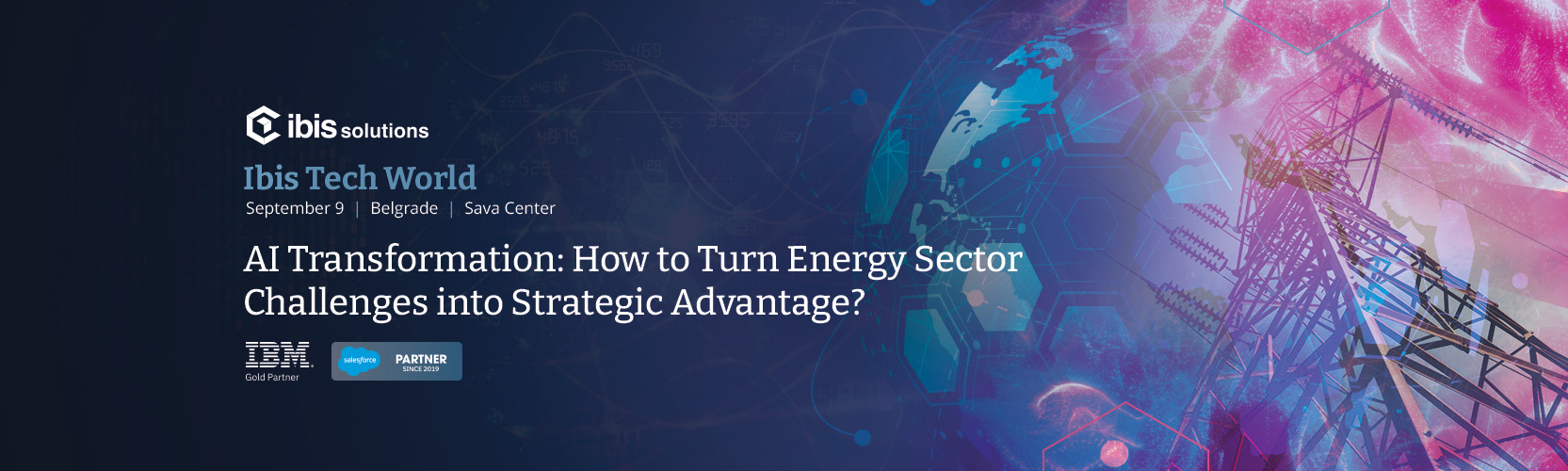
The energy sector is undergoing the most dynamic transformation in its history. The pressure of the energy transition, increasingly demanding consumers, and the imperative of sustainability are setting new standards for doing business. In this context, digital transformation and artificial intelligence are no longer optional, but a necessity – the key drivers of efficiency, predictive maintenance, and strategic decision-making.
Companies that have already adopted AI in their operations report up to 30% fewer outages and substantial reductions in maintenance costs – a clear indicator of the direction in which the sector is evolving.
Traditionally, grid infrastructure was maintained according to fixed schedules, with failures addressed only after they occurred. Today, AI-powered platforms for detecting technical losses and optimizing networks allow operators to identify anomalies in real time, prevent outages, and protect revenues. Predictive analytics extends the lifespan of critical infrastructure assets, reduces maintenance costs, and provides energy companies with greater reliability and confidence when planning investments.
AI solutions are reshaping how energy companies manage their operations. From automating customer and service processes to advanced systems for remote testing and sensor-based monitoring of optical networks, AI brings speed, precision, and resilience. The result is more stable networks and improved service quality – even under conditions of rising consumption and market volatility.
Energy companies today manage heterogeneous systems – from GIS and billing platforms to CRM solutions and complex sensor networks. Through standardized API gateways and data integration, AI enables a unified view of operations and decision-making based on reliable, consolidated information. This opens the door to entirely new business models, from dynamic pricing to proactive energy consumption.
The sector faces a dual challenge: technological development is accelerating daily, while regulatory frameworks lag behind new business models. Finding balance between innovation and regulation will be one of the defining issues of the next decade. That is why this very topic will be at the forefront of the Ibis Tech World conference, on September 9 at the Sava Center in Belgrade.
The panel AI and the Future of Energy – Between Technological Potential and Regulation will explore how regulatory frameworks are shaping the pace of AI adoption in the regional energy sector.
Our position is clear: artificial intelligence is not merely a tool for greater efficiency – it is the pathway to a sustainable and competitive future for the energy industry.
See you on September 9 in Belgrade!